
Booking Advice
Security Deposits and Damage Rules: Questions Guests Should Ask Before Booking
Clarify the purpose of a deposit, the handling of existing marks or proposed damage charges, and the steps from collection to return before choosing a stay.

Before booking a stay with a vacation rental security deposit, establish its purpose, amount, collection method, possible deductions, and return process. Ask how existing damage is recorded and how you can respond if a charge is proposed. The word refundable is useful only when you can also explain the conditions attached to it.
Keep those answers beside the terms for your chosen property and dates. This guide is a set of questions to resolve before committing; it does not set a deposit amount, define liability, or promise a return deadline for a ShamStay booking. A missing answer belongs on your follow-up list, not in the assumptions column.
Image note: all three photographs are AI-generated photorealistic editorial images of fictional interiors and planning materials. They show no real property condition, guest record, deposit agreement, or handover procedure.
Identify what the vacation rental security deposit means
Start with the exact label in the booking summary. A payment towards the price of the stay and money requested as security for damage answer different questions, even if both are called a deposit. Ask whether the amount reduces the remaining accommodation balance, is a separate refundable amount, or describes another arrangement. Do not count the same money twice.
If the wording mentions a hold or pre-authorisation, ask whether money is actually collected or an amount is temporarily reserved. Confirm who handles it, the currency, when it is required, and what evidence you receive. These are possible arrangements to distinguish, not a statement that ShamStay offers every method. Use the payments and pricing help alongside the payment instructions available for your selected stay.
A damage deposit for accommodation can affect the money you need during a trip even when the terms allow it to be returned. Record it separately in your accommodation cost comparison. Keep the stated amount and any remaining balance visible, and do not budget on receiving the deposit back before a particular expense unless the timing is established.
Read the guest damage rules with concrete examples
Ask which events the guest damage rules cover and how any proposed amount would be calculated. Useful examples include a broken item, missing keys, a stain, and additional cleaning. These examples are questions, not a list of permitted charges. Find out how the terms distinguish damage, existing wear, and the ordinary cleaning included in the booking.
An answer such as deductions apply if needed leaves too much unclear. Ask who reviews a concern, what itemised explanation and supporting records would be supplied, and how the guest can respond. If a replacement cost is mentioned, ask how that amount is established. Avoid treating the deposit figure as an automatic cap on any claim; check what the actual terms say.
Read the house rules at the same time, especially any conditions relevant to your party or planned use of the home. The holiday-rental booking checklist helps with the wider property review. Share the confirmed expectations with everyone travelling, so one person is not the only guest who knows them.
Ask how the condition of the apartment is recorded
Among the most useful apartment deposit questions is how to report something already present when you arrive. Ask whether there is an inventory or condition record, who receives observations, and whether a reporting window applies. Agree on the route before arrival, especially if nobody will meet you at the property.
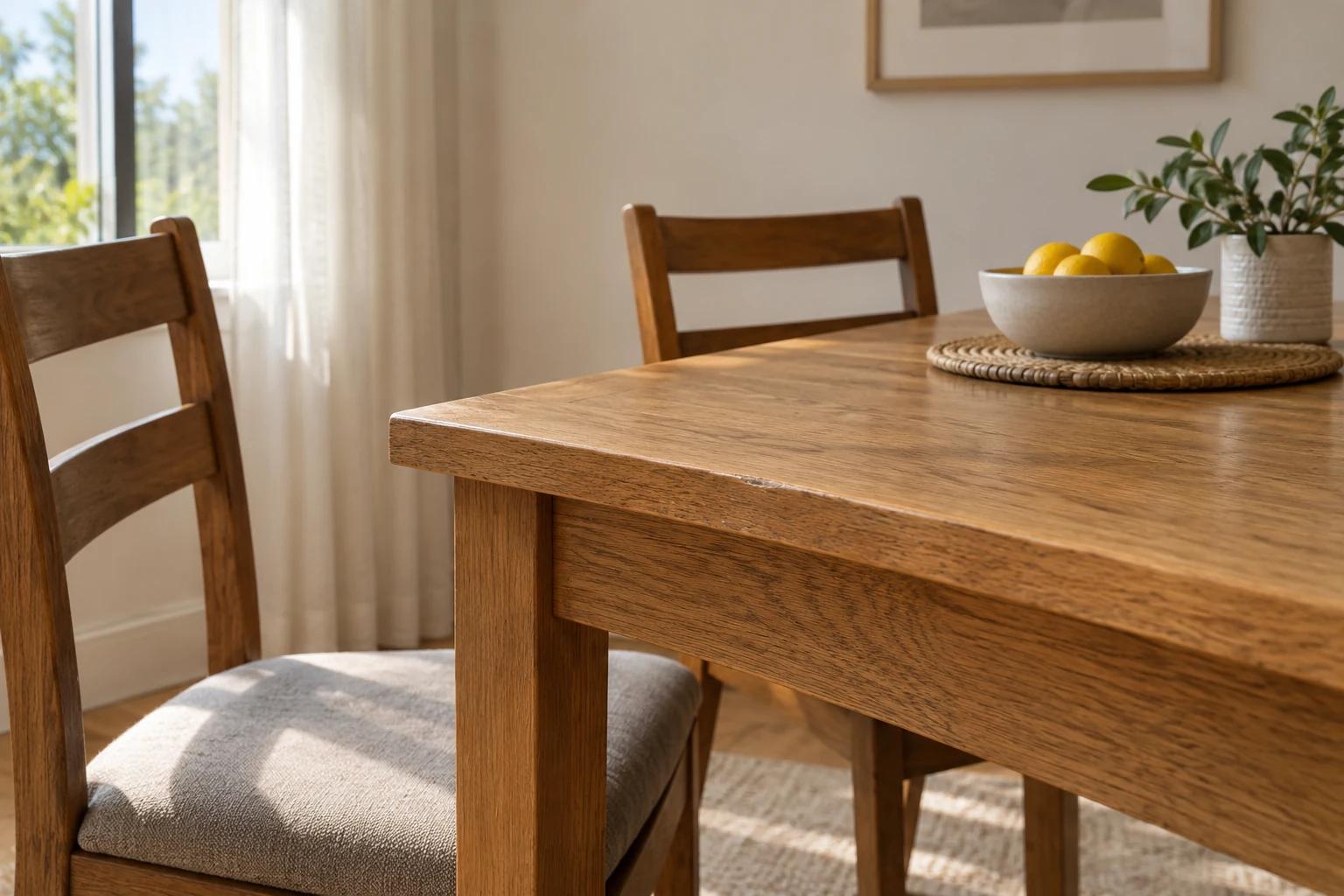
On arrival, take a reasonable look around before unpacking. For an existing mark, a clear room view and a closer photograph can provide context. Keep original files and send a factual note through the agreed channel: which item, where it is, and what you noticed. Avoid including identity documents, other guests, or unrelated personal information in the images.
Follow the return or release process to its last step
Ask what starts the return process: departure, key handover, a condition check, or another stated event. Then identify who acts, the expected timing, and how completion is recorded. A promise that the deposit is returned after the stay leaves these steps unanswered. Where an external payment provider is involved, ask about its part in the process too.
Confirm how a partial deduction would be explained and how the remaining amount would be handled. Ask where to follow up if the stated date passes without a clear record. If you leave early or extend the stay, recheck whether that changes the inspection or return arrangements. Do not infer a new deadline from the revised travel plan.
Cancellation is a separate situation from leaving after a completed stay. Read the current cancellation policy for that scenario, and confirm how the relevant payment components are treated. A cancellation refund rule does not describe every step of a post-stay condition review.
Resolve a payment request that does not match the booking
If a later message adds a deposit, changes the recipient, or supplies different payment instructions, pause and compare it with the saved booking information. Keep the message and ask for an explanation through a known contact route. An urgent tone does not resolve an inconsistency. Use ShamStay support to clarify a request that you cannot reconcile with the booking.
The US Federal Trade Commission's rental-scam guidance recommends obtaining the rental contract before sending a vacation-rental deposit and using contact details you already know when someone unexpectedly requests personal or financial information. Those precautions help you check a request; they do not establish a Syrian deposit rule or a ShamStay refund guarantee.
Save a short booking terms checklist
- Purpose, amount, currency, and whether this is part of the stay price or a separate security amount.
- Who collects or holds it, when, through which confirmed method, and with what record.
- Covered events, deduction evidence, and the process for responding to a proposed charge.
- Arrival condition reporting, departure check, key return, and any stated reporting windows.
- Return or release trigger, expected timing, remaining-balance handling, and follow-up contact.
Store the answers with the applicable terms and booking reference. If you are still learning the wider process, follow the first-time booking guide. Then browse published ShamStay stays with your actual dates and guest count. Choose a suitable property only after its current costs and conditions are clear enough to explain in your own words.
Practical answers
Frequently asked questions
Is a booking deposit the same as a security deposit?
Do not assume so. Ask whether the amount pays part of the accommodation price or is separate security for specified events. Confirm its purpose, the remaining balance, and the applicable return conditions before treating the two labels as interchangeable.
Does no deposit mean there can be no damage claim?
A missing deposit line does not answer every question about damage. Read the guest rules and ask how concerns would be handled. Neither the absence of a deposit nor its amount should be used to infer the extent of responsibility.
What should I do if I notice an existing mark on arrival?
Record the item and location with clear photographs, then report the observation promptly through the agreed channel. Retain the original files and any reply. Ask about the reporting process before arrival rather than assuming your private photo collection has been shared.
Does returning the keys mean the deposit has been returned?
Key handover and the movement or release of money are separate things to verify. Follow the agreed departure procedure, then check the relevant return record and payment information. Use the stated follow-up route if the expected timing passes without a clear outcome.
Source note
This guide uses the following source for its limited external context. Availability, property details, and booking terms come from live ShamStay pages.