
Host Resources
How to Set House Rules Guests Can Understand Before Booking
Turn practical property limits into short, specific rules. Explain who may use each space, replace vague requests with clear actions, and check the guest view before publishing.

Write house rules as short answers to the decisions guests make before booking: who may stay or visit, what activities are allowed, which spaces are shared, and what guests need to do before leaving. Give each rule a clear action and scope. When writing vacation rental house rules as a host, start with the actual property and remove anything you cannot explain or apply consistently.
Keep the essentials visible in the listing rather than saving them for an arrival message. Use the Host readiness checklist for the wider preparation process. This guide concentrates on the wording and organisation of rules, with illustrative examples to adapt only when they match your property and arrangements.
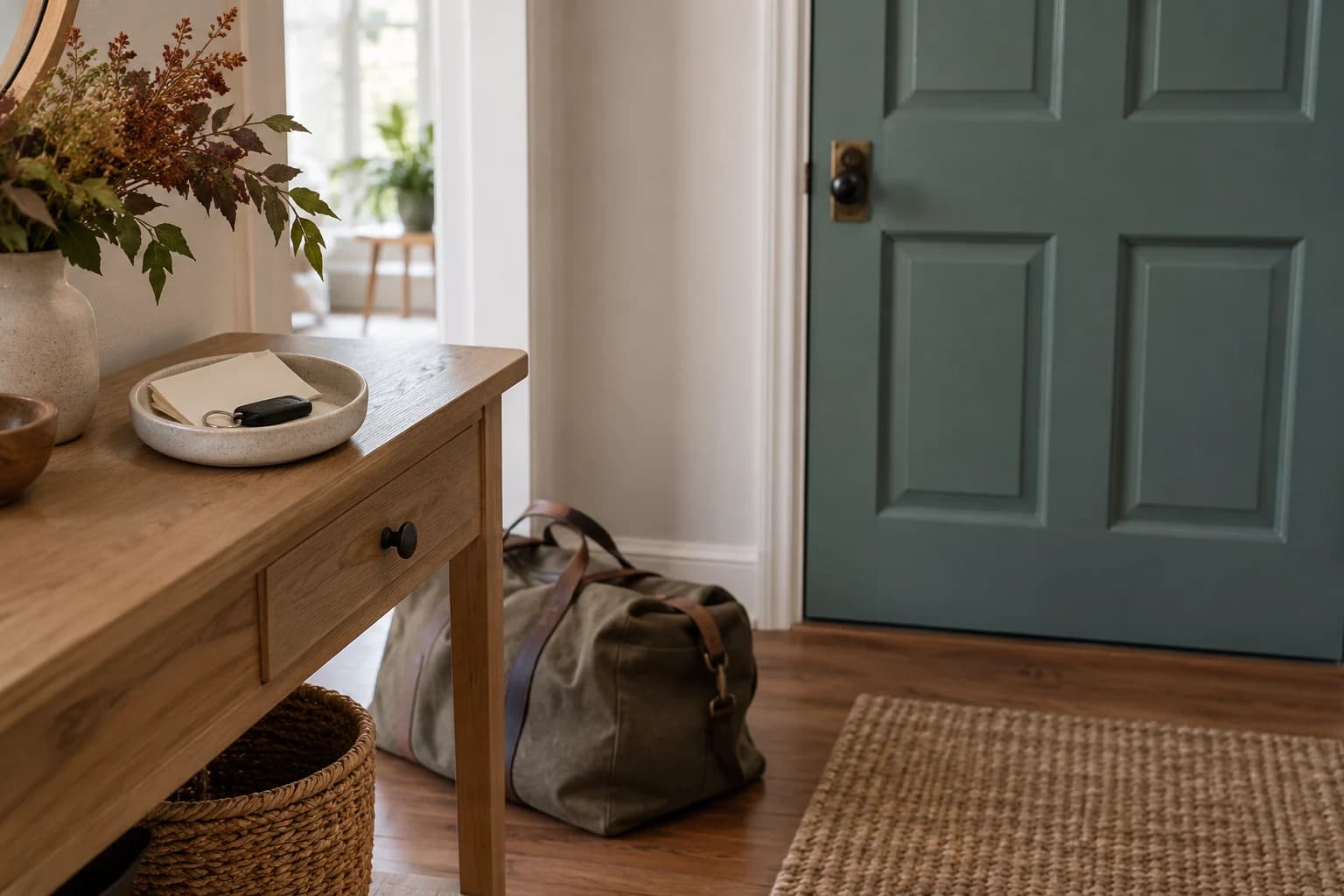
Image note: all three photographs are AI-generated photorealistic editorial images of fictional preparation scenes. They do not show actual ShamStay properties, hosts, rules, or booking arrangements.
Decide what guests need to know before they choose
Walk through the stay from the guest's point of view. Could a family invite relatives for lunch? Is a terrace shared with another apartment? Would a guest expect to smoke on a balcony or bring a pet? Decide the real answer before drafting the sentence. A rule should communicate a settled arrangement, not conceal a question the host has not resolved.
Separate a property fact from a request about behaviour. A shared entrance is a fact; keeping its passage clear is an action. Both may matter, but they belong in the right places. The property-description guide covers layout and guest fit. Use the rules to explain the practical boundaries of that same offer.
Prioritise conditions that could change a booking decision. Smoking, pets, visitors, gatherings, shared facilities, and significant departure tasks deserve clear answers when relevant. Leave minor reminders out of the opening lines. Host house rules work best when the important conditions are easy to find without reading a long list of small household preferences.
Write vacation rental house rules a host can explain
A useful sentence names the action, the place or people it applies to, and any relevant timing or permission. Keep one main instruction per line. Replace words such as reasonable, careful, and respectful with the behaviour you actually need. A short explanation can help, but it should not make the instruction harder to identify.
For quiet hours, record the real start and finish times and identify the affected space or activity. “No loud noise late at night” leaves guests to decide what late means. A specific time window and a clear request about music or outdoor gatherings give them something they can follow. Do not copy another property's schedule without checking the requirements for your own building.
Keep the tone calm. Explain the use of the home rather than making judgments about the people who might book it. Avoid all-capital warnings, repeated exclamation marks, or a long opening paragraph about previous bad experiences. New guests need a clear description of the current arrangement.
Distinguish overnight guests, visitors, and shared spaces
The listed sleeping capacity does not answer every question about daytime visitors. If visitors are allowed, explain the conditions that matter, including any permission process or limits you actually apply. If gatherings are not permitted, say so directly. Do not rely on a guest to infer the visitor arrangement from the number of beds or the phrase entire apartment.

When drafting guest rules for an apartment, name the space precisely: the shared courtyard, the private balcony, or the designated parking place. Explain whether an outdoor area is included, shared, or unavailable to guests. A photograph showing a roof or garden does not answer that question, and a general instruction to use common sense will not correct the ambiguity.
Check the rules against the host amenities checklist. An amenity label and its usage conditions should describe one consistent offer. If a feature is shared or has restricted use, make that clear before booking. Keep equipment instructions separate when they explain how to operate something rather than whether the guest may use it.
Separate rules from instructions and booking terms
House rules explain expected conduct. Operating instructions explain a task, such as using an appliance. Booking terms explain matters such as cancellation. Combining all three in one paragraph makes it harder for guests to find the answer they need. Keep the cancellation policy and booking conditions consistent with the recorded offer; do not use a house-rule sentence to suggest different refund terms.
For departure, identify the limited tasks guests are expected to complete, such as where to leave used towels or how to return an access fob. Choose only tasks that match your real process. Avoid vague instructions to leave everything perfect, and do not introduce substantial cleaning work for the first time on the departure morning.
Keep access codes and other private entry instructions out of public rules. The property address and location information belong in their designated listing fields. Do not present an invented fine, automatic deposit deduction, or charge as a ShamStay policy. If a proposed condition involves payment or handling a problem, confirm the appropriate process with support before describing it as an established arrangement.
Test the rules in the guest view before publishing
The ShamStay listing editor accepts one house rule per line and provides separate check-in, checkout, and private arrival-instruction fields. Use those controls for their intended information. Then read the private guest preview alongside the description, amenities, and photographs. Short stay property rules should resolve uncertainty rather than introduce a second version of the property.
- Can a guest identify each required action without asking what a vague word means?
- Does each restriction name the relevant space, activity, or group of visitors?
- Are any actual time limits stated consistently in the appropriate fields?
- Do the rules agree with capacity, shared-space descriptions, and offered amenities?
- Are all material conditions visible before booking, with sensitive entry details kept private?
- Would the wording remain understandable on a phone and to someone unfamiliar with the home?
Ask someone who did not write the draft to explain the rules back to you. If they reach a different answer about visitors, smoking, or use of a shared area, revise the sentence. Where you supply more than one language, compare the meanings, especially permission, quantities, and times. A polished translation should preserve the same conditions.
Keep one current version across the listing and messages
Treat the published rules as information to maintain. Review them when guest spaces, equipment, building arrangements, or your operating process change. Update matching descriptions and instructions together. Use the pre-arrival guest communication guide to turn the current arrangement into concise messages. A message copied from an older stay can otherwise contradict the page a new guest has just read.
An edit for future bookings does not explain how to handle an existing reservation. Do not assume a newly added condition was part of an earlier guest's booking. If a change affects an upcoming stay or a rule cannot be represented clearly in the editor, contact ShamStay support with the specific issue and relevant booking context.
For vacation rental hosting in Syria, clear rules are one part of a complete, accurate listing. Once the draft and guest preview agree, follow the ShamStay Host guide for the wider onboarding and property-review process. A well-written rules section helps guests assess fit; it does not itself approve or publish the property.
Practical answers
Frequently asked questions
How many house rules should I include?
Include the conditions a guest needs to decide whether the property fits the trip and to use it as intended. Give each main instruction its own line, remove repeated reminders, and move detailed equipment directions to the appropriate instructions. There is no useful target number that fits every home.
Does the maximum guest count also explain the visitor policy?
No. Sleeping capacity and daytime visitor arrangements answer different questions. State whether visitors are allowed and explain any actual conditions. Do not expect guests to work this out from the number of beds or from a description of the property as an entire place.
Can I copy another property's rules as a starting point?
You can use the topics as a checklist, but write the conditions for your own home. Remove irrelevant restrictions and confirm every permission, time limit, shared-space condition, and departure task. Copying another host's wording can create promises or restrictions that do not match your offer.
Should I wait until arrival to explain an important restriction?
Conditions that could change a guest's booking decision should be clear beforehand. Arrival messages can repeat useful reminders and provide private operating details, but should not be the first explanation of a material visitor limit, activity restriction, or substantial departure obligation.