
Host Resources
Host Amenities Checklist: The Basics to Review Before Publishing
Check what is present, working, and available to guests, then align your listing with the equipment, supplies, and arrangements you can maintain between stays.
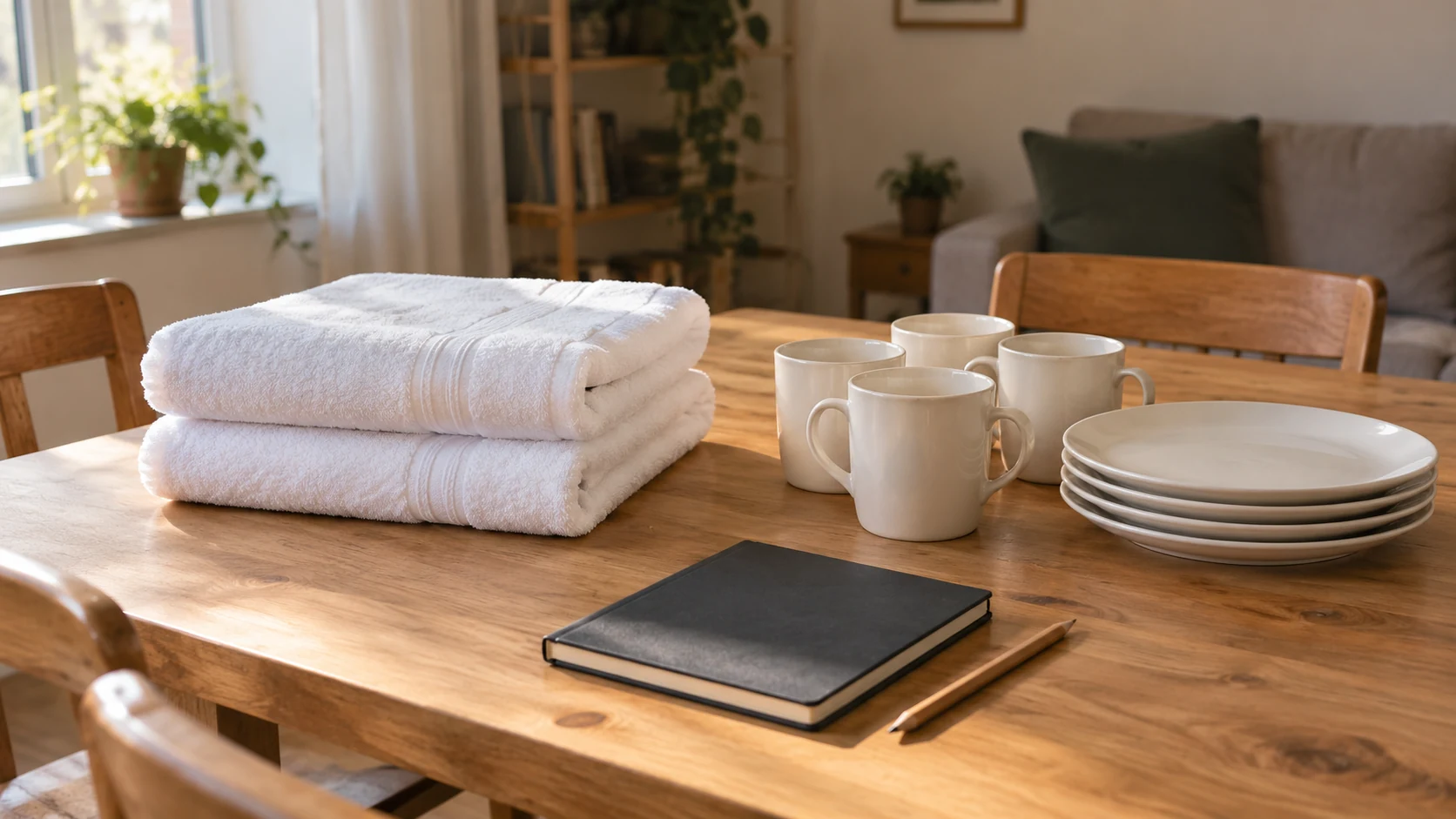
A useful vacation rental amenities checklist for hosts begins with the real property: count the equipment and supplies, check that they work, confirm who may use them, and record any limits or extra conditions. Select an amenity only when you can provide it as described. A longer feature list is less useful than a shorter, accurate one that you can maintain for each stay.
This guide focuses on the practical work before listing publication. Use the broader Host readiness checklist for the surrounding account, property, and review steps. The suggestions below help you inspect your own offer; they do not turn every optional appliance, supply, or service into a ShamStay requirement.
Image note: all three photographs are AI-generated photorealistic editorial images of fictional preparation scenes. They do not show real ShamStay properties, inspection records, or required quantities of supplies.
A vacation rental amenities checklist for hosts starts with an inventory
Walk through the exact space guests will book, with cupboards and storage areas available to inspect. Record each offered item, its location, the usable quantity, and its condition. Include who may use it and whether it belongs to this unit, a shared area, or a separate service. An object elsewhere in the building is not automatically part of the stay.
- Ready: present, working, accessible on the stated terms, and accurately described.
- Action needed: missing, damaged, untested, or dependent on an arrangement you have not confirmed.
- Not offered: personal, locked away, unavailable to this unit, or planned for a later purchase.
Keep the action list separate from the amenities you intend to publish. For example, discovering three usable mugs when you planned a four-person table setup creates a restocking task; selecting dishes and cutlery in the editor does not complete it. Resolve the physical gap, then check the listing again. This simple separation prevents a shopping plan from becoming a guest promise.
Prepare sleeping and bathroom supplies for the stated guest count
Start apartment guest amenities with the actual sleeping arrangement. Match each offered bed to the correct linen, pillows, and any bedding you describe. Open and prepare a sofa bed if it forms part of the offer; confirm that its bedding is available and that the room still works in that configuration. Do not count an owner's stored bedding as guest provision unless it is included and accessible.

Count towels against the claim you select and the guest count you offer. Check the condition of linen, the availability of clothing storage, and any extra pillows or blankets mentioned in the listing. Separate the supply placed for arrival from replacement linen or cleaning during the stay; these are different commitments.
In each guest bathroom, check the shower arrangement, hot-water information, and the supplies you actually include. Record whether soap, shampoo, and toilet paper are provided initially or replenished under a stated arrangement. Inspect an offered hair dryer and other equipment according to its instructions. Keep unresolved equipment faults on the action list rather than describing them as a usable amenity.
Set up the kitchen for the meals your listing suggests
Review the cooking space as a working set of equipment. Identify the appliances, pans, utensils, preparation area, fridge space, and tableware available to guests. Then test an ordinary task, such as preparing breakfast or serving a simple meal, within the limits of the offer. A photograph of attractive cupboards cannot show that a guest can find the saucepan or use the hob.
- Count usable plates, cups, glasses, and cutlery against the dining arrangement you advertise.
- Check that cooking utensils and pans suit the equipment supplied.
- Make guest storage space available and distinguish it from any private food or equipment.
- Decide which washing-up supplies are included and who replaces them.
- Describe shared use, restricted equipment, or additional conditions before a guest relies on the kitchen.
After preparation, take current photographs of the real arrangement using the property photography guide. Remove borrowed styling items before deciding what the listing promises. If groceries, tea, or breakfast are included, explain the actual provision; do not let a staged table suggest an ongoing service you have not planned.
Assign replenishment and leave usable instructions
Useful short stay host tips should survive the second booking. Decide who checks supplies between stays, who replaces damaged items, and where the working inventory record is kept. Choose a sensible restocking point for each consumable based on your own offer and turnaround routine. This is an internal preparation record, not a feature guests need to manage.
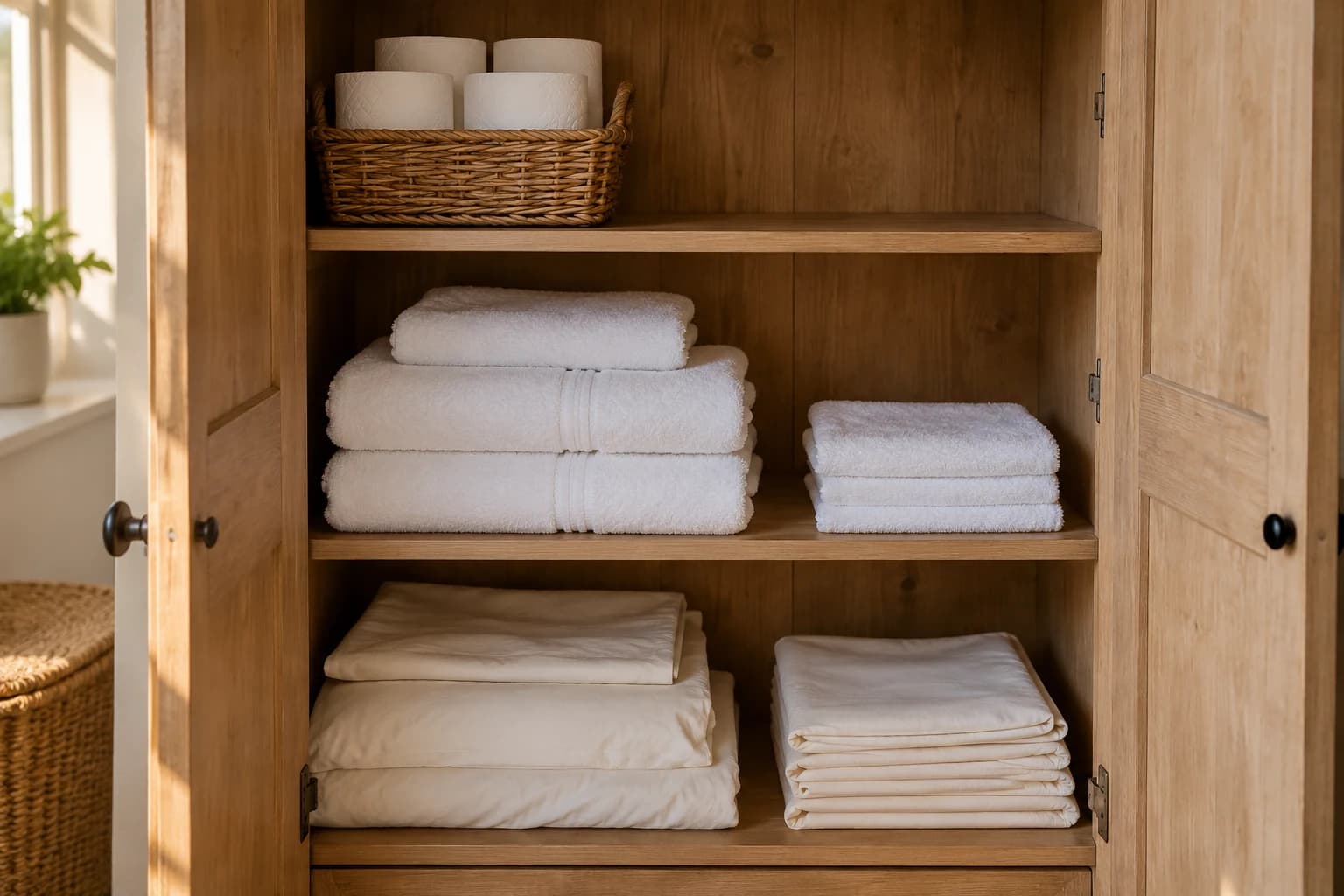
Leave concise operating instructions where guests can use them, without exposing private account credentials or entry details publicly. Follow manufacturers' guidance when checking equipment, and arrange appropriate help for faults. If a feature becomes unavailable, stop describing it as available and resolve the effect on any affected booking through the appropriate communication process.
Match the completed checklist to the listing before review
Use your property listing checklist beside the amenity selections, description, and photographs. They should describe the same current offer. The property-description guide explains how to add context without repeating every field. Keep shared use, room-specific provision, and important conditions visible; a general feature label may need that explanation.
In the property editor, use the private guest preview to check the combined result. Remove planned purchases from the published offer until they are ready. Resolve items marked action needed, and ask ShamStay support if an important condition cannot be represented accurately. Do not hide the condition to make the submission appear complete.
Once the physical preparation and listing agree, follow the ShamStay Host guide for onboarding and property review. Completing this amenity check does not itself approve or publish a listing. Keep the inventory record available for later turnovers so the property continues to deliver what the guest-facing page describes.
Practical answers
Frequently asked questions
Should I select an amenity that I plan to buy before the first booking?
Keep it on the preparation list until it is present, checked, and available on the terms you intend to offer. A planned purchase should not appear as an existing feature. Update the listing and relevant photos after the real provision is ready.
Can several units share one set of equipment?
Only describe the arrangement you can actually provide. Record which guests may use the equipment, where it is, and any scheduling or access limits. Do not imply that every unit has private, simultaneous use of a single shared item.
Does providing supplies on arrival mean I offer unlimited refills?
Those are different commitments. State the initial provision and any replenishment or cleaning arrangement accurately. Plan the stock and responsibility needed to deliver that offer, rather than leaving guests to infer an ongoing service from a supply photograph.
Should I leave a broken appliance selected while a repair is arranged?
Do not describe an unusable appliance as available. Correct the listing, address affected guest arrangements through the appropriate communication process, and restore the claim only when the equipment is checked and ready. A repair appointment does not establish a working amenity.